
Breathe Easier with Professional Air Duct Cleaning
Enhance Your Home’s Air Quality
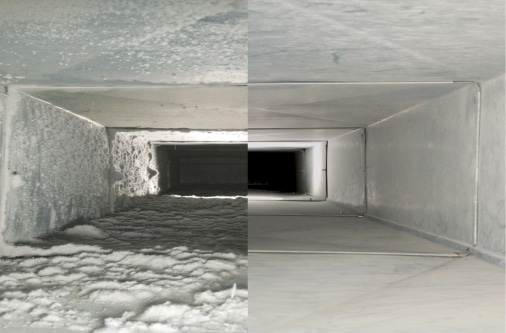
Dust, construction debris, pet hair, and other material can accumulate inside portions of an HVAC system over time. Air duct cleaning may be appropriate when there is visible contamination, debris is being released from supply registers, pests have entered the ductwork, or the system has been affected by remodeling, smoke, water, or another unusual event.
Evergreen Carpet Care provides residential air duct cleaning throughout Reno, Sparks, Carson City, Gardnerville, Lake Tahoe, Truckee, and surrounding communities. We begin by evaluating the accessible portions of the system and explaining whether cleaning appears warranted before recommending service.
Our goal is to remove accumulated debris from accessible HVAC components without making unsupported promises about health, allergy relief, or energy savings.
When Air Duct Cleaning May Be Appropriate
Air duct cleaning is not automatically necessary in every home. It may be worth considering when an inspection identifies a specific source of contamination or buildup.
Visible Dust or Debris
Cleaning may be appropriate when excessive debris is visible inside accessible ductwork or particles are being released from supply registers while the HVAC system is operating.
Recent Construction or Remodeling
Drywall dust, sawdust, insulation particles, and other construction debris may enter uncovered registers or ductwork during a renovation.
Pest Activity
Rodents, insects, nesting material, or droppings inside the HVAC system should be addressed promptly. Pest entry points should also be identified and sealed to help prevent the problem from returning.
Suspected Microbial Growth
Visible growth inside an HVAC system should be evaluated carefully. Before cleaning proceeds, the moisture source must be identified and corrected. Laboratory analysis or evaluation by a qualified mold professional may be necessary to determine what the substance is.
Smoke, Fire, or Water-Related Contamination
Certain smoke, soot, water, or restoration events may affect ducts and other HVAC components. These situations require an inspection to determine the appropriate cleaning and restoration scope.
Moving Into a Previously Occupied Home
Some homeowners choose to have the system inspected after purchasing a home, especially when its maintenance history is unknown or there is evidence of heavy debris, pets, smoking, or past renovation work.
Our Air Duct Cleaning Process
The exact process depends on the home’s HVAC configuration, duct material, accessibility, and level of contamination. Before service begins, we review the system and explain which components are included.
1. HVAC System Inspection
We inspect accessible supply and return ducts, registers, grilles, and other included components for visible dust, debris, damage, moisture, or signs of pest activity.
We also identify flexible, fiberglass-lined, damaged, or inaccessible ductwork that may require modified cleaning methods or additional evaluation.
2. Work-Area Preparation
Registers and nearby surfaces are protected as needed before cleaning begins. The HVAC system is turned off, and the cleaning equipment is connected at an appropriate access point.
Any service openings created during the work must be properly closed and sealed after cleaning.
3. Negative-Pressure Collection
The duct system is placed under negative pressure using professional vacuum equipment. This helps collect loosened particles and limits the release of debris into occupied areas during cleaning.
4. Mechanical Debris Removal
Appropriate agitation tools are used to dislodge accumulated material from accessible interior surfaces. The tools selected may vary based on whether the system contains sheet metal, flexible duct, lined ductwork, or other materials.
5. Register and Return Cleaning
Accessible supply registers, return grilles, and related openings included in the estimate are cleaned before being reinstalled.
Cleaning of components such as the blower, evaporator coil, drain pan, or air handler should be clearly listed in the scope of work rather than assumed.
6. Final Inspection and System Review
After cleaning, access points are closed, registers are replaced, and accessible areas are reviewed. We explain any damage, moisture, pest evidence, or HVAC concerns that may require attention from a licensed heating and cooling professional.
What Is Included in Air Duct Cleaning?
The components included in air duct cleaning can vary from one system and estimate to another. Your written quote should identify whether service includes:
- Supply ducts
- Return ducts
- Supply registers and return grilles
- Main trunk lines
- Air handler or furnace cabinet
- Blower compartment
- Evaporator coil
- Drain pan
- Accessible plenums
- Newly created access openings and their closure
Some HVAC components require service from a licensed heating and cooling contractor. We will explain which components Evergreen can clean and when another professional may be needed.

What Air Duct Cleaning Cannot Correct
Air duct cleaning removes accessible debris, but it does not solve every indoor air quality or HVAC problem.
Cleaning will not correct:
- Active roof, plumbing, condensation, or moisture problems
- Unsealed openings that allow pests or debris to enter
- Damaged or deteriorated ductwork
- Air leaks within the duct system
- Inadequate ventilation
- Improper filtration
- Odors originating from flooring, walls, crawlspaces, furniture, or other sources
- Ongoing mold growth when the moisture source remains
- Mechanical problems with the furnace, air conditioner, blower, or heat pump
When the underlying source is not corrected, contamination or odor may return after cleaning.
Common Sources of Duct Contamination
Material may enter or accumulate in an HVAC system because of:
- Normal household dust and pet hair
- Construction or remodeling debris
- Gaps around registers or return openings
- Missing, damaged, or poorly fitted filters
- Pest activity
- Water intrusion or condensation
- Smoke or soot
- Deteriorating internal duct materials
The source of contamination should be identified whenever possible. Cleaning the ducts without correcting an active moisture, filtration, pest, or building-envelope problem may provide only temporary results.