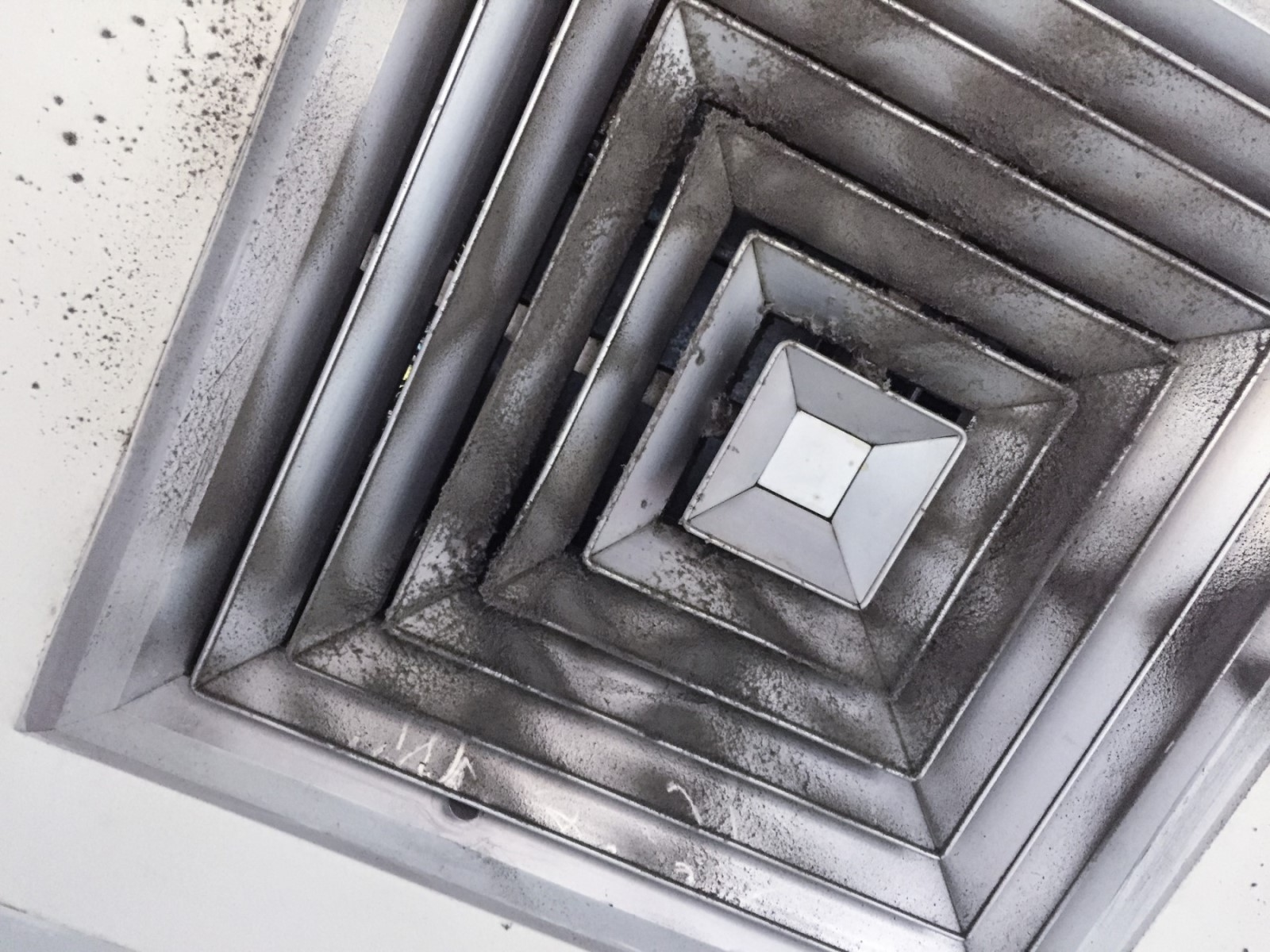
Have you noticed more dust in your house once the furnace starts running? Or a stale smell in the first few minutes after the heat kicks on?
Reno sits in a valley ringed by mountains. In winter, cold air settles into the basin with warmer air above it, and that upper layer acts like a lid.
Whatever is in the air underneath stays there. Vehicle exhaust, wood smoke from fireplaces and stoves, and road dust accumulate rather than dispersing the way they would on a windy day.
Here’s how winter inversions affect the air inside your home, where dust actually collects, and when air duct cleaning makes a difference.
What Is a Winter Temperature Inversion?
A temperature inversion occurs when the normal pattern flips. Instead of air cooling as you move upward, a layer of warmer air sits on top of the cooler air near the ground.
That warm layer prevents the air underneath from rising and mixing. In a valley with snow cover, the effect can persist for days at a time.
Northern Nevada experiences these conditions regularly through the winter. For most people the visible sign is the haze that settles over the valley and simply doesn’t clear.
Why Does Indoor Air Quality Get Worse in Winter?
Homes aren’t airtight, but in winter we come close. Windows stay shut, doors stay closed, and the air inside turns over far less often than it does in spring and fall.
Meanwhile, your heating system circulates that same air continuously through the ductwork.
Several factors add to the load:
- Outdoor particulates: What’s trapped outside enters with the air exchange that does occur.
- Wood smoke: A fireplace or stove contributes both indoors and to the outdoor haze.
- Settled dust: Particles that fall onto surfaces get stirred back into the air with normal activity.
- Pet dander: This concentrates when animals spend more time inside.
- Dry indoor air: Running heat lowers humidity, which keeps fine particles airborne longer.
None of this is cause for alarm. It’s the ordinary condition of a closed-up house in a cold valley, and it’s manageable.
What Are the Signs of Poor Indoor Air Quality?
Any one of these can have another explanation. Several together suggest it’s worth looking inside the system.
- Dust around the air vents: Visible buildup on supply registers or grilles.
- A dusty smell when the heat starts: A musty odor for the first few minutes after the furnace runs.
- Dust returning quickly: Surfaces needing attention again within a day or two of cleaning.
- Indoor allergy symptoms: More sneezing, congestion, or irritated eyes inside than out.
- Uneven heating between rooms: Some rooms noticeably harder to warm than others.
- More dust than previous winters: A change in the same house from one year to the next.
Where Does Dust Collect in Your Home and Ductwork?
Most people picture dust sitting on furniture. A fair amount of it is somewhere less visible.
Dust Inside Your Air Ducts
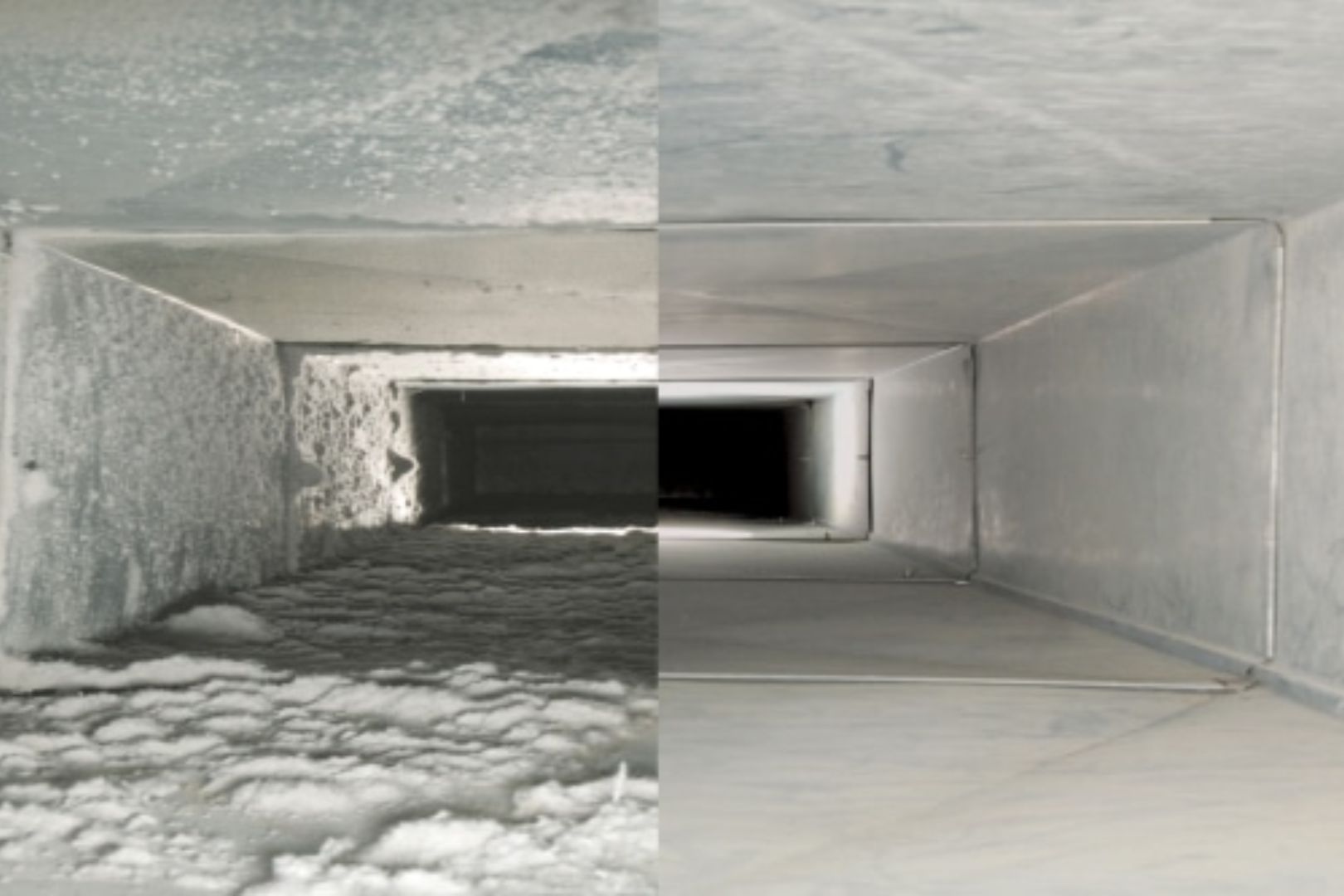
Supply and return ducts collect settled particles over years of operation. The return side tends to accumulate more, since it’s pulling air directly from the living space.
Dust on Registers and Vents
These catch a visible layer, which is usually the first thing homeowners notice and the easiest to clean.
Dust in Carpet and Upholstery
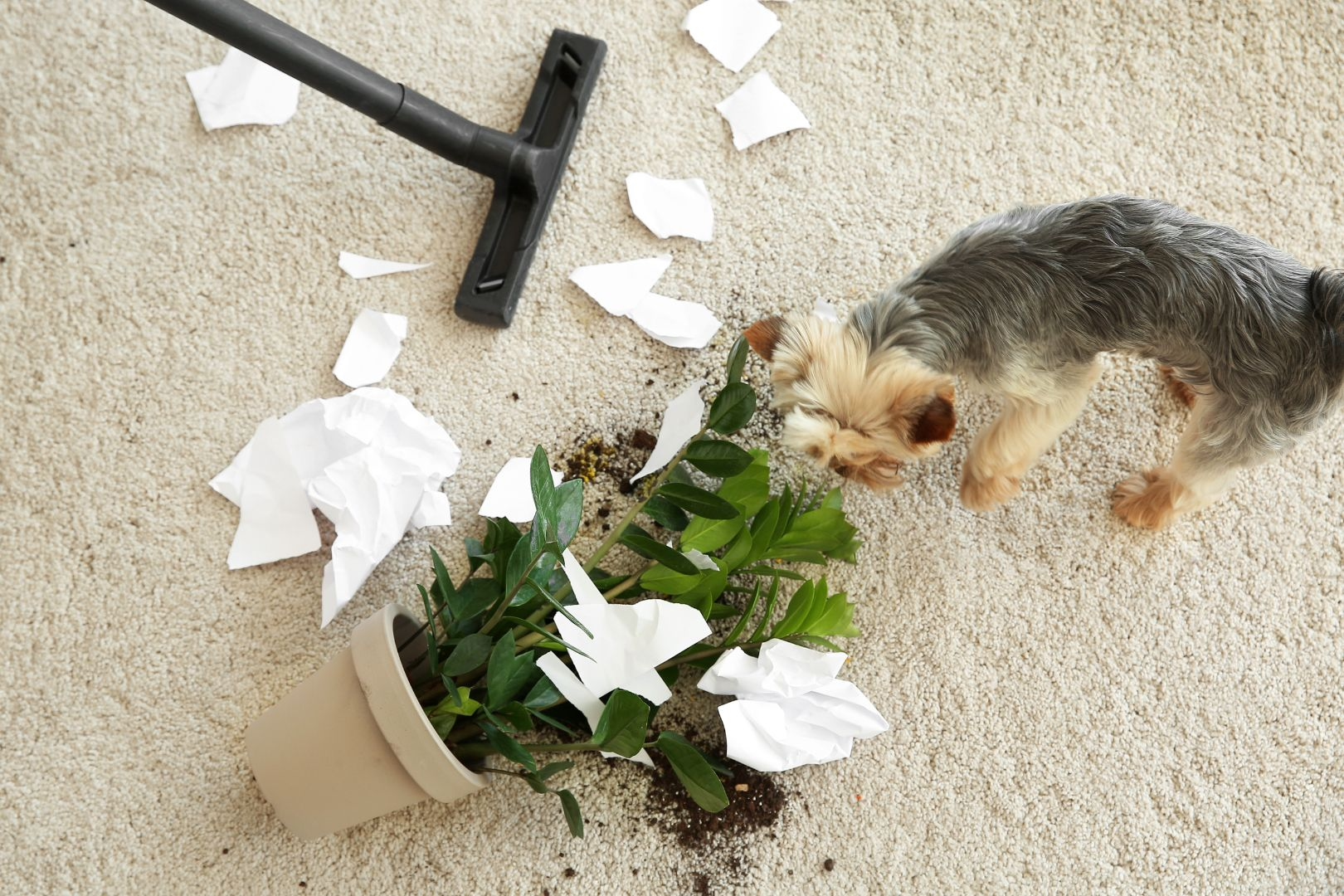
Fibers act as reservoirs, holding fine particles and releasing them back into the air when the surface is walked on or sat on.
This is why carpet and duct cleaning are often discussed together. Addressing one and not the other can leave a fair share of the material still in the house.
When Is Air Duct Cleaning Worth It?
Duct cleaning isn’t something most homes need every year. It’s worth considering when:
- The system hasn’t been cleaned in many years and you don’t know its history
- You’ve recently bought the home and have no record of maintenance
- There’s been remodeling or construction work in the house
- You can see deposits inside the ducts rather than only on the grilles
- Someone in the household has ongoing respiratory sensitivity and other steps haven’t helped
- There’s a persistent odor whenever the system runs
Carpet and upholstery cleaning follows a different interval, and for most households it’s more frequent.
What Does Professional Air Duct Cleaning Involve?
Knowing what to expect makes it easier to tell a thorough job from a superficial one.
- Inspection before quoting: Looking at the system first is what determines whether cleaning is warranted and what the job actually involves.
- The full duct system, not just the vents: Cleaning limited to visible registers leaves the ductwork itself untouched.
- Carpet and upholstery addressed separately: These hold a meaningful share of the particulates in a home, which is why they’re often handled alongside.
- Results explained: You should be able to see what came out and understand what was done.
How Can You Improve Indoor Air Quality at Home?
Several ordinary steps make a measurable difference through heating season.
- Change the furnace filter on schedule: The single most effective routine step, and routinely overlooked once winter starts.
- Check your furnace filter rating: Higher-rated filters capture finer particles, but they need to be compatible with your system. Your HVAC provider can confirm what yours handles.
- Vacuum more often in winter: Slow passes with a vacuum that has good filtration remove more than quick ones.
- Keep entry mats in place: Grit and road material tracked in during winter ends up in the carpet.
- Air the house out when conditions allow: On days when the inversion has broken, opening up for a short period helps.
- Burn dry, seasoned wood: A properly drawing flue and well-seasoned wood reduce what ends up indoors.
Frequently Asked Questions About Winter Indoor Air Quality
How Often Should Air Ducts Be Cleaned?
There’s no fixed schedule that fits every home. Frequency depends on the age of the system, whether there’s been construction, pets in the household, and whether anyone has respiratory sensitivity. An inspection is the reliable way to determine whether yours needs attention.
Does Air Duct Cleaning Help With Allergies?
It can reduce the amount of settled dust and debris circulating through the system, which some households notice. It works best alongside regular filter changes and carpet cleaning rather than on its own.
Why Is There So Much Dust in My House in Winter?
Closed windows, continuous furnace operation, lower indoor humidity, and more time spent indoors all contribute. In a valley that experiences inversions, outdoor particulates add to it as well.
Should I Clean My Carpets and Air Ducts at the Same Time?
Doing both together often makes sense, since carpet and upholstery hold a significant share of the particulates in a home. Cleaning the ducts alone leaves that reservoir in place.
Breathe Easier This Winter With Evergreen Carpet Care in Reno, NV
If the dust in your house has gotten worse since the heat came on, our team at Evergreen Carpet Care can take a look and tell you whether cleaning will help.
We provide air duct cleaning alongside carpet cleaning and repair, and we’ll inspect the system before recommending anything.
Proudly serving homes throughout Reno, Sparks, Carson City, and the Tahoe area, we’re here to help you get through heating season more comfortably.
Don’t wait until the house is full of guests. Contact Evergreen Carpet Care to schedule an inspection.